Urinary Tract Infections (UTIs) are among the most common bacterial infections worldwide, affecting approximately 150 million people annually. While UTIs can affect anyone, they are significantly more prevalent in women; it is estimated that nearly 50% of women will experience at least one UTI in their lifetime. These infections not only pose a substantial burden on healthcare systems but, if left untreated or mismanaged, can lead to severe complications such as permanent kidney damage or life-threatening sepsis.
What are Urinary Tract Infections?
A UTI occurs when microorganisms, typically bacteria from the digestive tract, enter the urinary system through the urethra and begin to multiply in the bladder.
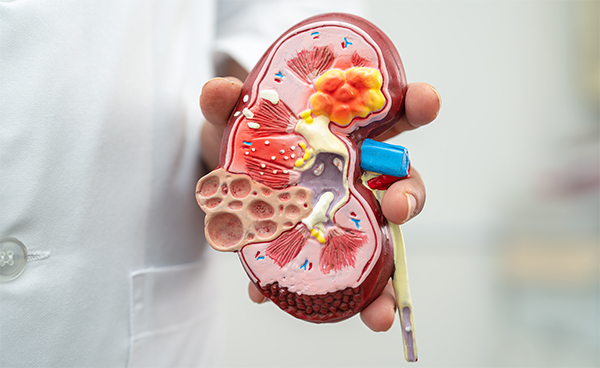
While the urinary system is designed to keep out such invaders, these defenses sometimes fail, leading to infection in the kidneys, ureters, bladder, or urethra.
Common Pathogens
While Escherichia coli is responsible for many cases, a wide range of other pathogens, such as those listed below, can be involved, particularly in complicated or recurrent UTIs:
Symptoms, Transmission, and Prevention
UTIs typically present with a distinct set of symptoms, including a persistent urge to urinate, a burning sensation during urination (dysuria), cloudy or strong-smelling urine, and pelvic pain in women. In more severe cases involving the kidneys, patients may experience fever, chills, and back pain.
Prevention strategies primarily focus on hygiene and lifestyle, such as staying well-hydrated, practicing proper hygiene after using the bathroom, and urinating shortly after sexual activity to flush out potential bacteria.
The Challenge of Antibiotic Resistance
The traditional “gold standard” for UTI diagnosis has long been urine culture. However, culture-based methods can take 24 to 48 hours to yield results, often leading clinicians to prescribe broad-spectrum antibiotics empirically. This practice contributes to the global rise of Antimicrobial Resistance (AMR), making common infections increasingly difficult to treat.
Bosphore Solutions for UTI
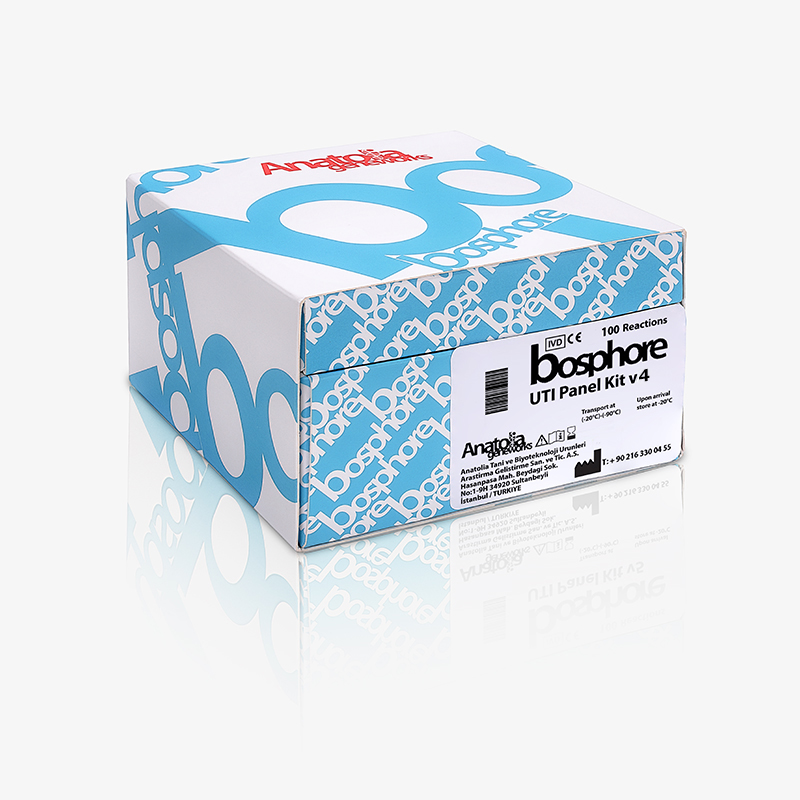
To address the need for rapid and precise diagnostics, Anatolia offers advanced molecular solutions designed to identify uropathogens and their resistance profiles in a fraction of the time required by traditional methods.

These comprehensive Real-Time PCR-based kits enable the simultaneous detection and differentiation of a broad spectrum of pathogens directly from urine samples. The panels can detect a wide range of gram-negative, gram-positive bacteria, and fungal pathogens. In addition to pathogen detection, Bosphore UTI ABR/AMR Panel Kits identify critical antibiotic resistance genes to support targeted and effective treatment from day one.
Technical Highlights & Laboratory Integration
Bosphore UTI solutions are engineered for high-performance clinical environments:
- Multiplex Efficiency: Detects dozens of targets in a single run using multi-tube master mixes.
- High Sensitivity & Specificity: Minimizes false results compared to traditional culture.
- Reliability: Includes internal controls to ensure the integrity of the extraction and amplification process.
By integrating these high-sensitivity molecular tools into routine care, healthcare providers can ensure more accurate diagnoses, improve patient outcomes, and play a vital role in the global effort to combat antibiotic resistance.