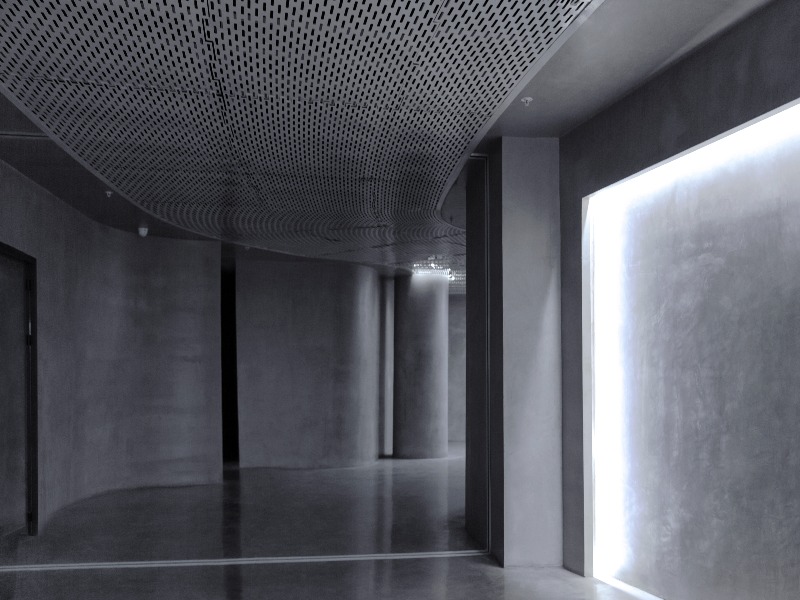
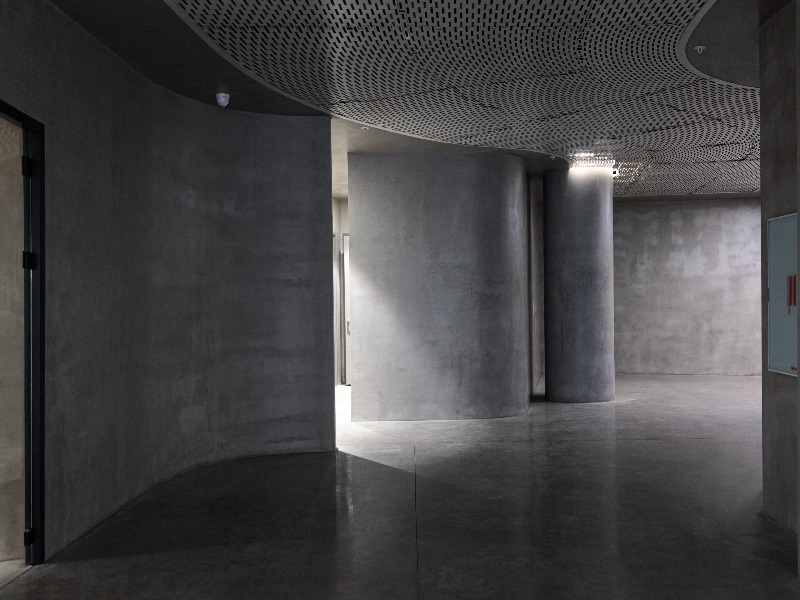
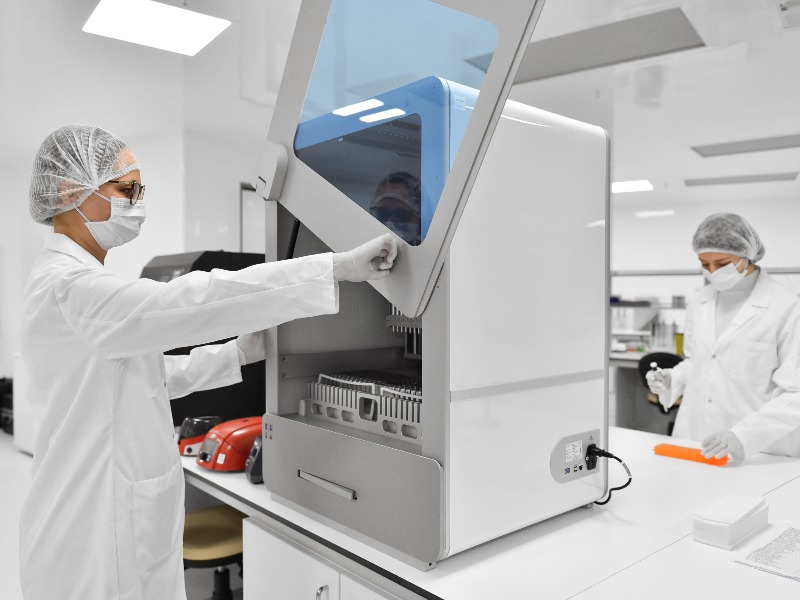
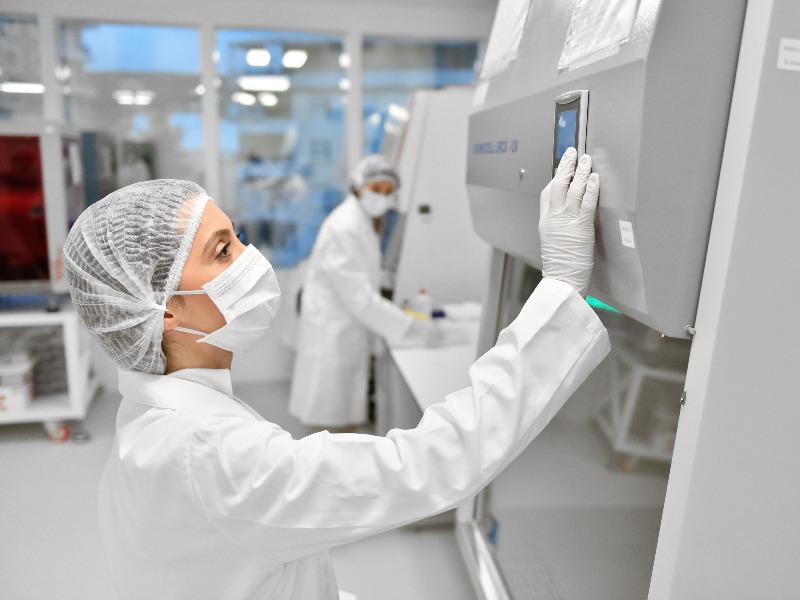
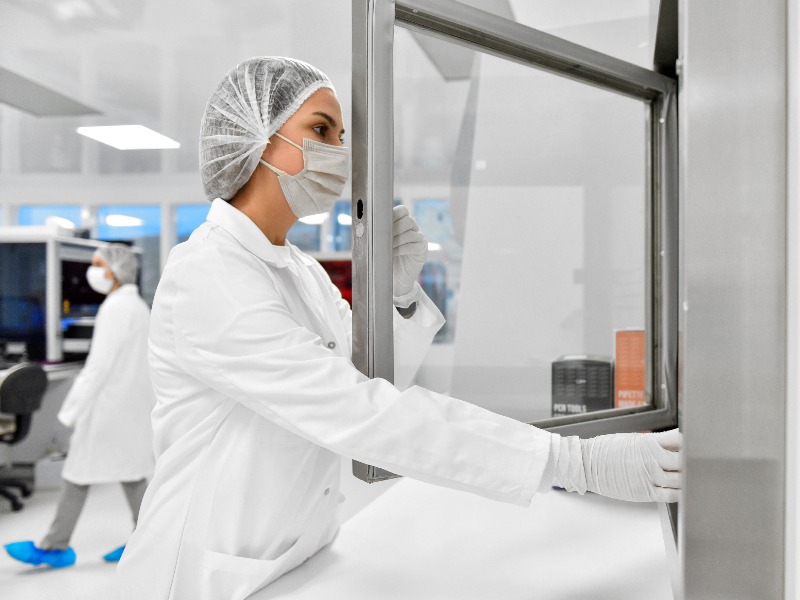
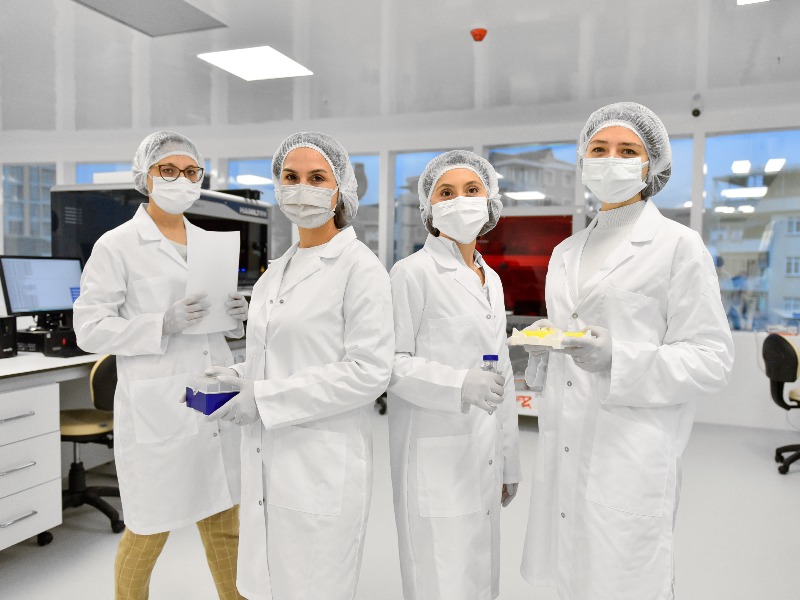
- Anatolia has a 15,000 m² R&D and Production facility where the design, development, and manufacture of Real-Time PCR kits, nucleic acid extraction kits, rapid antigen test kits, recombinant enzyme, automated nucleic acid extraction instruments and PCR Setup robots are carried out.
- The Company’s R&D Center is accredited by the T.C. Ministry of Industry and Technology.
- The company has designed its state-of-the-art laboratories, which meet ISO Class 7 air quality criteria, to be able to carry out all R&D and production activities, as well as to organize workshops and practical trainings with training laboratories with the same capabilities.
- As of the end of 2024, Anatolia employs a total of 223 people, 97 of whom are in R&D.
- Anatolia became the first company in Türkiye to get IVDR certification for high-risk molecular diagnostic products.
- The R&D project ‘TR.AQUA: Innovative and Sustainable Applications in Aquatic Products within the Framework of Food Supply Security’, which started in 2023, is supported by the Scientific and Technological Research Council of Türkiye (TÜBİTAK) under the 1004 program.